Raksha Bandhan: Celebrating the Unbreakable Bonds of Sibling Love
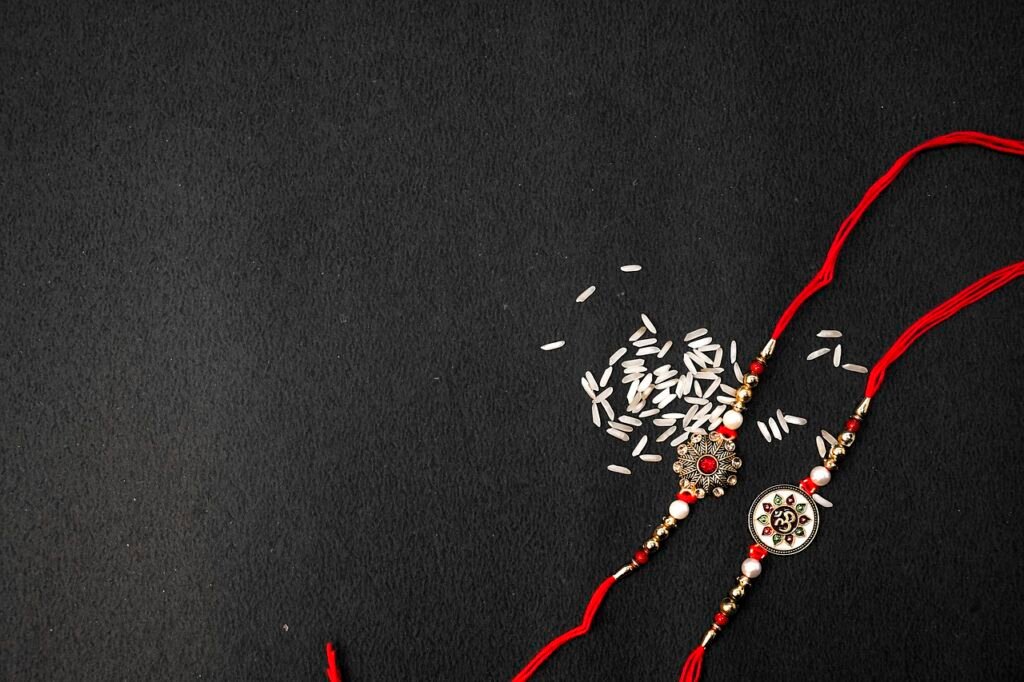
Every year, the joyful festival of Raksha Bandhan fills the air with warmth and anticipation. Rooted in the rich tapestry of Indian culture and tradition, Raksha Bandhan is a celebration of the unique bond shared between siblings. This cherished festival, which falls on the full moon day of the Shravan month, is a reflection of the deep-seated values of love, protection, and camaraderie.
The Essence of Raksha Bandhan: Raksha Bandhan, often referred to as Rakhi, is a Sanskrit term that translates to “the bond of protection.” On this day, sisters tie a sacred thread, known as a rakhi, around their brothers’ wrists. In return, brothers pledge to safeguard their sisters and shower them with love, care, and gifts. The rakhi symbolizes the sister’s love and prayers for her brother’s well-being, while the brother’s gesture signifies his commitment to her safety and happiness.
The Rituals and Traditions: The preparation for Raksha Bandhan begins well in advance. Sisters often select or even create their own rakhi, which may range from intricately designed ones to simple threads woven with affection. On the day of the festival, families come together, often donned in their finest attire, to partake in the rituals.
The sister ties the rakhi around her brother’s wrist, often accompanied by a tilak (vermilion mark) on his forehead and prayers for his prosperity. In return, the brother offers gifts and a promise to protect and support his sister throughout her life. The exchange of sweets and delicacies further adds to the sweetness of the occasion.
Celebrating Beyond Blood Relations: While Raksha Bandhan predominantly celebrates the bond between biological siblings, its significance has transcended blood relations. Friends, cousins, and even close acquaintances often exchange rakhis and partake in the festivities, underscoring the broader message of unity and mutual support.
Cultural and Regional Variations: Raksha Bandhan manifests in diverse forms across India. In some regions, it is also known as Avani Avittam or Janai Purnima, and is observed as a day of renewing sacred threads worn by Brahmins. In Maharashtra, the festival incorporates the tying of rakhi to a tulsi plant, symbolizing the reverence for nature. In West Bengal, it coincides with the grand festival of Jhulan Yatra, which honors Lord Krishna and his beloved Radha.
Modern Relevance: As society evolves, so do our relationships and the way we celebrate them. Raksha Bandhan today is not limited to gender or age; it encompasses the beauty of the sibling bond in all its forms. It is a reminder that in a world brimming with rapid changes, some ties remain unbreakable, serving as anchors of love and support.
Conclusion: Raksha Bandhan is more than just a festival; it is a celebration of the values that bind us together. It is a testament to the enduring strength of sibling love, encapsulating the essence of protection, care, and emotional sustenance. As families come together to honor this cherished tradition, they also embrace the beauty of human connections that transcend time, space, and circumstance.