Understanding Child Labor Laws and Ensuring a Bright Future for Our Youth
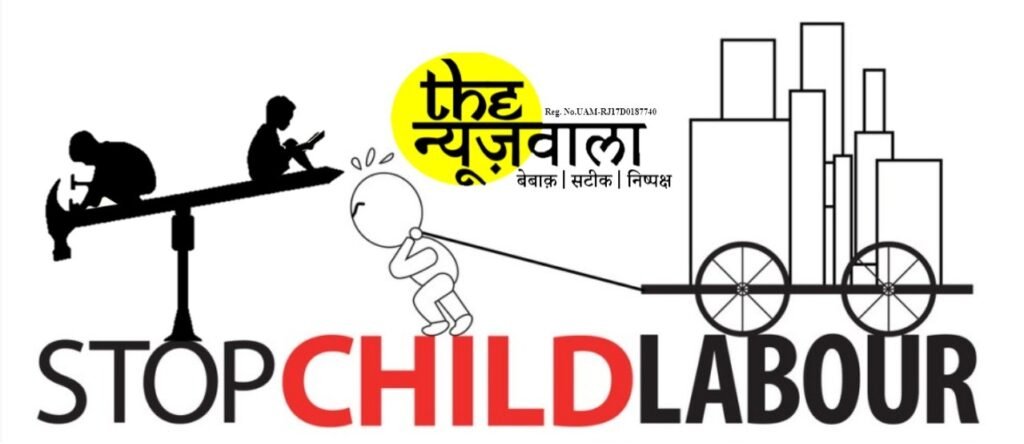
Child labor continues to be a pressing concern, threatening the future of our nation’s youth. In a country where children are the bedrock of our progress, it is imperative that we fully comprehend the legal framework surrounding child labor and work tirelessly to eradicate its existence. As an advocate committed to justice, I feel compelled to shed light on the legal aspects of this issue and encourage collective action towards its elimination.
The Legal Landscape:
India has enacted robust legislation to combat child labor, including the Child Labour (Prohibition and Regulation) Act, 1986. This law explicitly prohibits the employment of children under the age of 14 in hazardous occupations and processes. It also delineates regulations for children aged 14 to 18, ensuring their right to work in non-hazardous conditions without compromising their education.
The Challenges:
Despite these legal safeguards, child labor persists due to a variety of socio-economic factors. Poverty, lack of awareness, and limited access to quality education are some of the contributing factors that force children into labor. It is our duty as a society to address these issues collectively, bridging gaps and creating opportunities for vulnerable children.
Collective Responsibility:
As citizens, we have a shared responsibility to uphold the rights of children. Empowering parents and communities with knowledge about child labor laws and the importance of education is crucial. Legal bodies, NGOs, and civil society play a pivotal role in sensitizing society and ensuring that perpetrators of child labor face strict consequences.
A Path Forward:
Efforts must be directed towards enhancing the implementation of existing laws. Government bodies, in coordination with non-governmental organizations, should ensure effective enforcement mechanisms and establish rehabilitation programs for rescued child laborers. We must prioritize education, offering a pathway to brighter futures for our young generation.
Conclusion:
In conclusion, eradicating child labor requires a multi-pronged approach involving legal measures, societal awareness, and collaborative efforts. As an advocate, I urge fellow citizens, policymakers, and stakeholders to work together to create an environment where children are free from the shackles of labor and can instead focus on their education and holistic development. Let us strive towards a future where every child’s rights are protected and their potential is nurtured to its fullest.
-Advocate Ritu Pandey, Jaipur